The Most Common AN-ACC Mistake (And How It’s Costing You Funding)
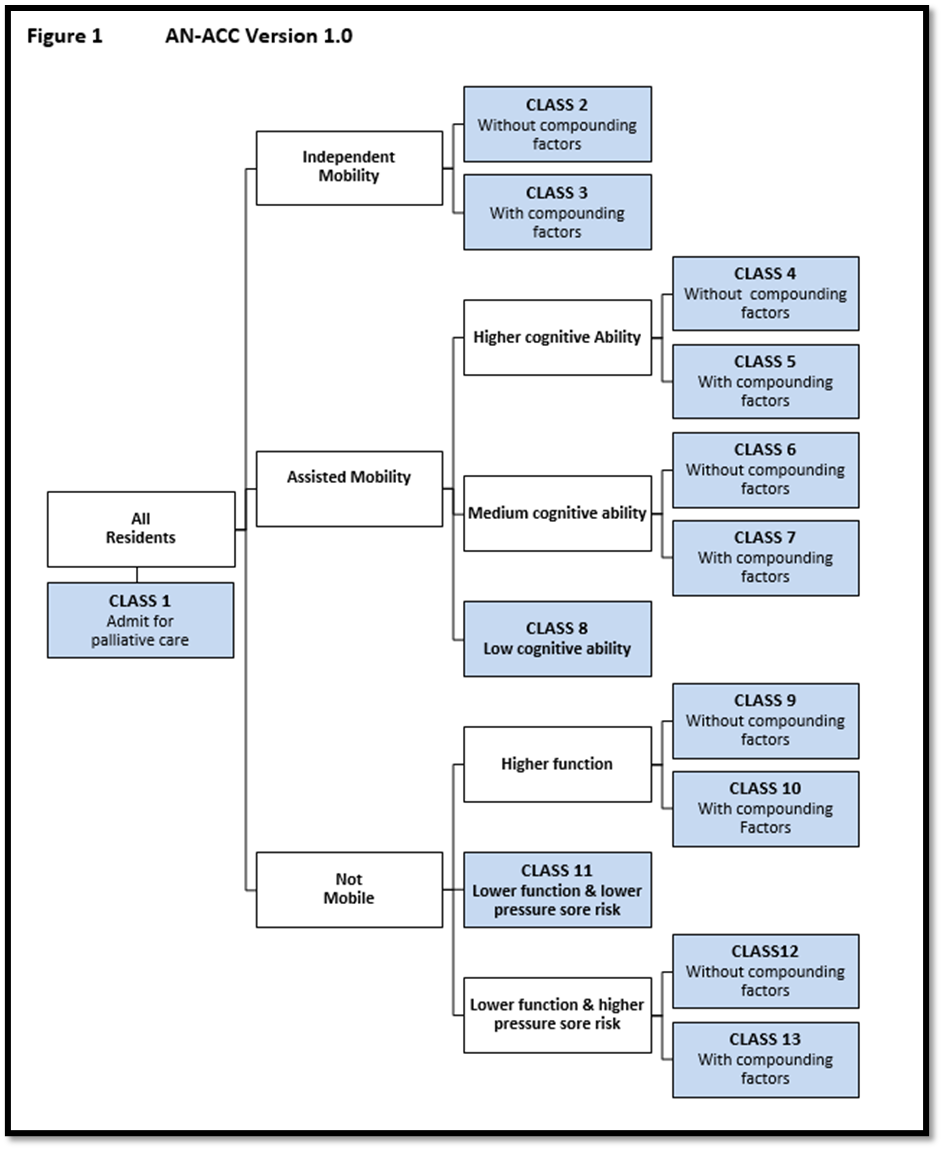
The biggest mistake I continue to see in AN-ACC documentation isn’t complex. It’s not following the branching model.

The biggest mistake I continue to see in AN-ACC documentation isn’t complex.
It’s not following the branching model.
This isn’t a minor issue. It’s one of the primary reasons providers are not achieving the classifications their residents should be funded at.
Start With the Outcome—Not the Paperwork
Too often, teams start by documenting everything they see and do, then try to “fit” that information into AN-ACC.
That approach no longer works.
The correct process is the opposite:
Determine the AN-ACC class first based on the resident’s actual care needs. Then build your documentation to support it.
If you don’t have clarity on where the resident should sit within the model, your documentation will lack direction. And when documentation lacks direction, it rarely aligns to the correct funding outcome.
The Branching Model Is Not Optional
The branching model is the framework that determines how evidence is interpreted.
If your documentation doesn’t follow it, the outcome will not reflect the resident’s true care needs.
The starting point is always mobility.
From there:
- Identify whether the resident is assisted mobility or not mobile
- Follow the correct branch
- Ensure all evidence aligns to the requirements of that pathway
This sounds simple - but it’s where most breakdowns occur.
Where Documentation Falls Short
Common issues include:
- Documenting everything, without aligning to a clear pathway
- Mixing cognitive and functional drivers without structure
- Failing to link ADL support to the correct branch
- Collecting evidence that is irrelevant to the final classification
The result is documentation that tells a story - but not the right story for AN-ACC.
And that’s where funding is lost.
This Is a Skills Gap—Not a Compliance Issue
Most teams are working hard. The issue isn’t effort—it’s approach.
AN-ACC is no longer about capturing information. It’s about:
- Understanding the model deeply
- Applying it consistently
- Documenting with clear intent
Without that, even good clinical care won’t translate into the funding outcome it should.
Time to Check Your Approach
If you’re not confident that your team is:
- Identifying the correct class upfront
- Following the branching model accurately
- Aligning documentation to funding outcomes
then there is a risk sitting in your AN-ACC results.
This is exactly where we support providers.
If you want to sense-check your current approach, identify gaps, and ensure your team is set up to optimise funding outcomes, get in touch.